All Categories
Featured

Why Map Pack SEO Drives Foot Traffic
They're entities and subtopics that indicate topical depth Build Material That Demonstrates Genuine Proficiency and Trust Google's E-E-A-T structure (Experience, Knowledge, Authoritativeness, Dependability) is central to how content quality is examined in 2026, particularly for YMYL (Your Cash, Your Life) subjects like health, financing, and legal guidance. Experience Has the author in fact done what they're blogging about? First-hand experience signals original photos, case studies, individual anecdotes strongly separate your content from generic AI-generated text.
Build authority through quality backlinks, market citations, brand discusses, and constant publishing on your core subject. Use HTTPS, include clear author bios, point out credible sources, maintain accurate contact info, and keep content up to date.
They're your page's table of contents for both humans and AI.
[target1:anchor_exact1]Regularly Update Content to Preserve Ranking Position Content freshness is a significant ranking aspect for time-sensitive inquiries. Content Refresh Checklist? Check that the page still matches the dominant search intent for the target keyword Phase 4: Hyperlinks, Media & UX Develop the Internal Architecture That Relocations Rankings Develop a Strategic Internal Link Network Internal links are how Google finds, indexes, and comprehends the relationship in between your pages.
Advanced Marketing 2026 Strategies
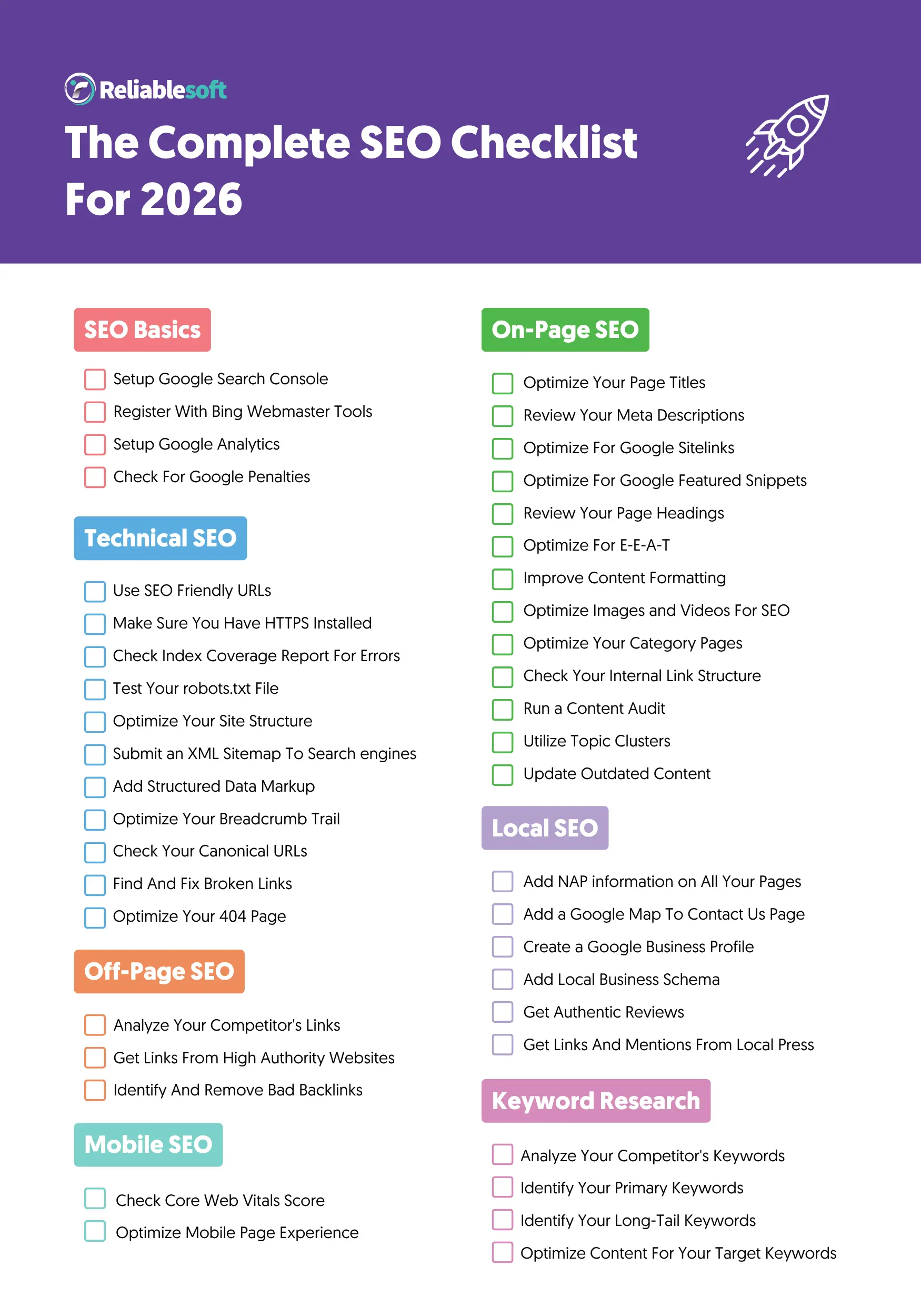
Link from high-traffic pages to crucial pages: Recognize your best-performing material and include internal links to pages you desire to rank? Fix orphan pages: Every page on your website should be linked from at least one other page orphan pages rarely rank? Usage subject clusters: Organize material into a hub-and-spoke design one detailed "pillar" page on a broad subject connected to and from a number of more comprehensive "cluster" pages?
One comprehensive pillar page (e.g., "Complete SEO Guide") links to and gets links from cluster pages (e.g., "On-Page SEO," "Technical SEO," "Link Building"). Link to High-Authority External Sources Tactically Linking out to reliable external sources, original research, authoritative publications, government websites, peer-reviewed journals signals to Google that your material is well-researched and trustworthy.
? Use rel="nofollow" for paid links or untrusted sources Make Every Image Work Harder for Your SEO Images are one of the most overlooked on-page SEO chances.
2026 Local Visibility
Complete Image Optimization Checklist OPTIMIZATION HOW TO DO IT effect File format: Usage WebP or AVIF Convert JPEGs/PNGs to WebP utilizing tools like Squoosh or an image CDN High Compress before submitting Usage TinyPNG, ShortPixel, or Imagify; target Phase 5: Technical On-Page Elements The Technical Layer That Powers Your Rankings Implement Structured Data to Win Rich Results Schema markup (structured information) is code added to your HTML that helps search engines understand the significance of your content, not simply the words, but the entities, relationships, and context those words represent.
Shows author, publish date, and headline in search. Essential for ecommerce pages. Critical for brick-and-mortar local SEO.

Latest Posts

Tips for Better Nearby Map Pack Rankings
Why Map Pack SEO Drives Foot Traffic
Profile Management Is Crucial for Small Growth